

New Okanagan Water Dashboard Supports Water Stewardship Across the Thompson Okanagan
TOTA’s Okanagan Water Dashboard is an interactive tool that brings together publicly available data on water supply, consumption, groundwater, drought conditions, and fish habitat across the Okanagan watershed. As a pilot initiative supporting sustainable tourism and water management, the dashboard helps build a clearer understanding of how water conditions are changing across the region. This work supports TOTA’s participation in the UN Tourism International Network of Sustainable Tourism Observatories (INSTO) and will help inform future sustainability initiatives across the Thompson Okanagan.
TOTA’s Okanagan Water Dashboard is an interactive tool that brings together publicly available data on water supply, consumption, groundwater, drought conditions, and fish habitat across the Okanagan watershed. As a pilot initiative supporting sustainable tourism and water management, the dashboard helps build a clearer understanding of how water conditions are changing across the region.
This work supports TOTA’s participation in the UN Tourism International Network of Sustainable Tourism Observatories (INSTO) and will help inform future sustainability initiatives across the Thompson Okanagan.

Bat Resources
Do You Have Bats At Your Accommodation?
The Thompson Okanagan Tourism Association (TOTA) and the BC Community Bat Program (BCCBP) are partnering to assist and educate accommodators throughout the region on the importance of protecting the bat populations in the Okanagan. Unfortunately, bats carry a bad reputation due to misinformation and fear. When tourists come across them during their holiday stays, some may react negatively, while others might be well-informed and thrilled to see a bat.
Bats are an important part of the Okanagan ecosystem and are neither rodents nor considered pests under BC law. They are classified as wildlife under the BC Wildlife Act and are protected from harassment and killing. Bats live in natural and urban areas near lakes, ponds, and wetlands and are amongst the most common wildlife.
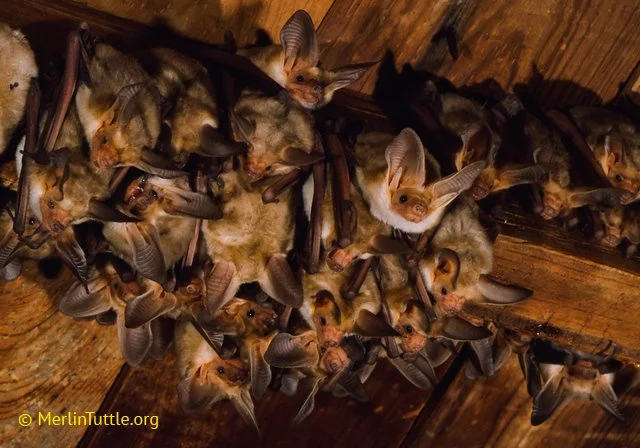
Did you know bats often take a break at night after hunting for insects? They may fly into covered patios, carports, or breezeways to rest. If you find a bit of bat poop on the ground in the morning, you’ll know some bat friends were visiting. It does not mean they are getting into the building, just resting on the outside.
Get Support for Accommodators
If you have bats at your accommodation or have had encounters with bats, take the bat survey, so the BC CBP can engage with you and your team to help you devise a plan on how to manage the bats.
Learning Resources
Bats hunt for insects after sunset. If deck lights are on, they will attract insects. It’s important to use window screens and keep doors closed so that bats don’t accidentally fly into a room chasing a mosquito. For best practices on how to manage bats at your property, visit the following resources:
Appreciating Bats in the Okanagan
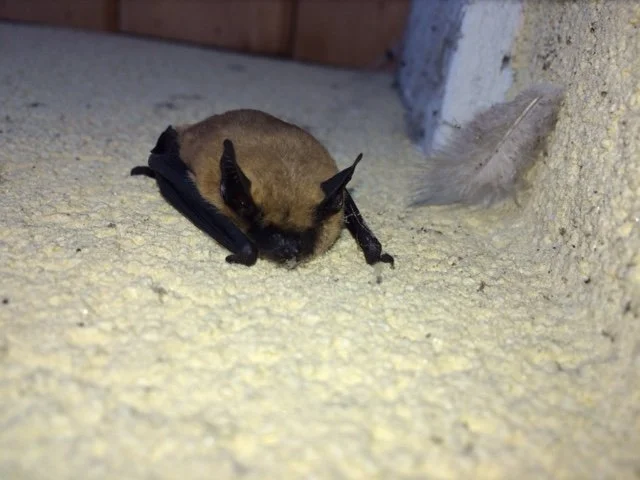
The Okanagan has the highest diversity of bats in BC, with at least 14 species calling the valley home. These nocturnal flying mammals are protected under the BC Wildlife Act. Bats are important wildlife as they are major predators of insects, including mosquitoes and agricultural and forestry pests.
Most BC bats give birth to just one pup per year, and only about half of those young make it through their first winter. Their slow reproductive rate means they are particularly vulnerable to habitat loss and other sources of mortality.
In the Okanagan, bat habitat includes the river and lake shorelines. As we develop these natural areas, bats are forced to move away, or some have adapted and taken up residence in buildings. Some resorts have these furry visitors living around their buildings. Figuring out how to manage bats in a responsible and bat-friendly way is now possible due to the assistance of the BC Community Bat Program.
The Little Brown Myotis is one species that relies extensively on human-made structures as sites for roosting and raising offspring. This little bat is Endangered in Canada due to White-Nose Syndrome, a disease which has decimated bat populations in Eastern Canada and the USA.
Learn more about bats and bat activities in the Okanagan by visiting ThompsonOkanagan.com.
Become Bat Friendly
You can do many things to become a Bat-friendly Resort, whether you have bats or not. For example, building a bat-friendly garden.
Download the BC Bat-friendly Communities Guide which contains information and suggestions on how to help bats. A Bat Resource Page and Hotel Tent Card have been created to help educate your visitors during their stay.
Turning Bats into a Tourism Attraction
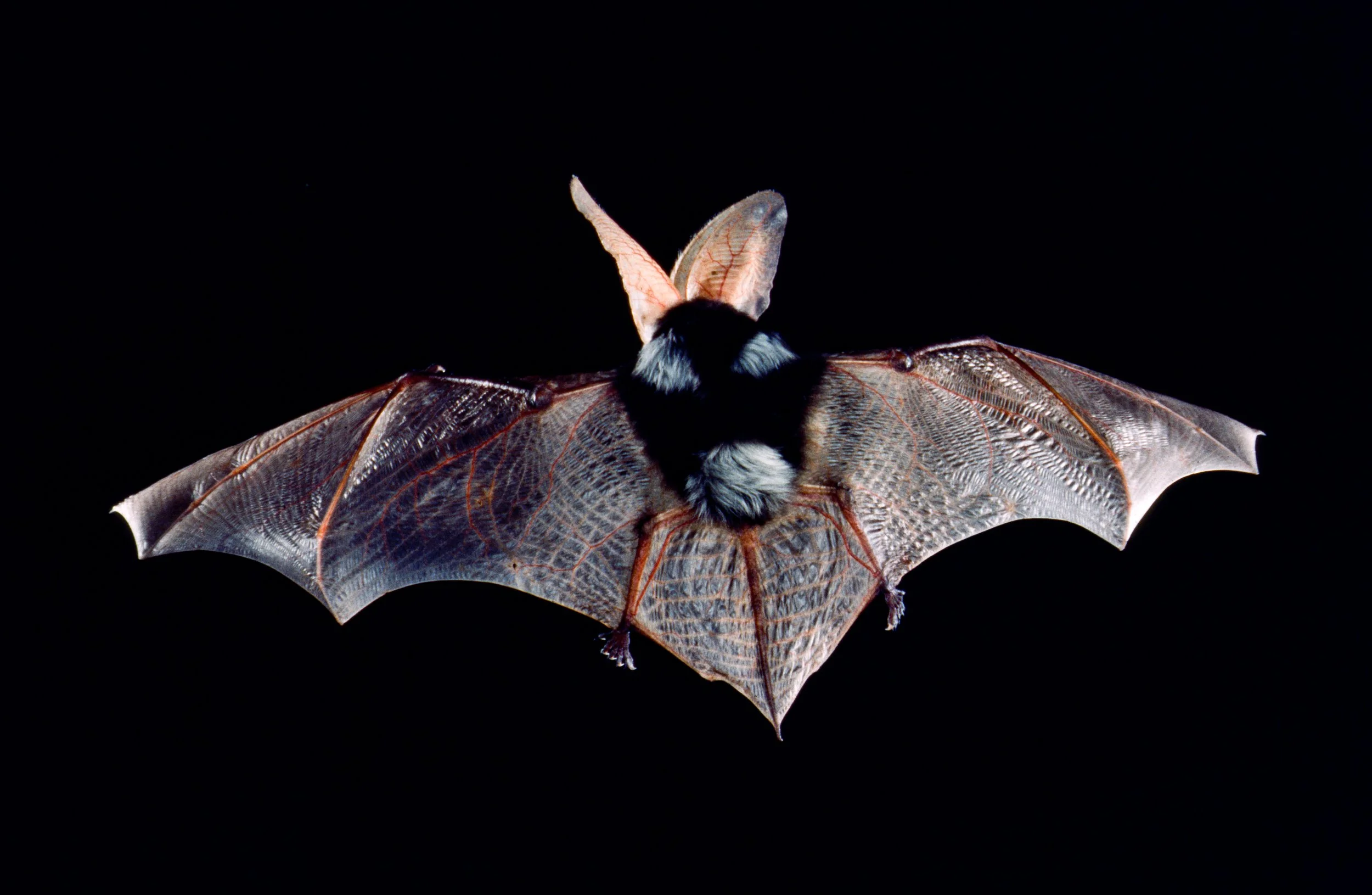
The Peachland Visitor Centre is a wonderful example of the amazing tourism opportunity that bats can provide. A maternity colony of almost 2,000 female bats and their pups roost in the attic of the visitor centre every summer. Peachland residents have seized the opportunity to make this a tourist attraction offering bat tours, presentations, and opportunities to count bats as they come out to hunt insects in the evening.
If you have a bat colony on your property, there are many things you can do to manage your buildings, help bats, and enhance your guest’s experience. One of the best things resorts can do is to inform tourists about local wildlife including bats and how they influence our lives.
By educating your guests about the importance of bats in the Okanagan Ecosystem and around the world, you are putting into action the United Nations Sustainable Development Goal 15, Life Above Land.
The following are some ideas on how you can become a bat friendly accommodation and enrich your guest’s experience:
Download and print the Bat Educational Page and Tent Cards to display in your guest rooms
Provide information about where and how to watch bats. This can be either at your location or by visiting somewhere like the Peachland Visitor Centre
Participate in Annual Bat Counts (June - August). This involves sitting outside a bat roost and counting bats as they come out for the evening to hunt insects. Learn more at Counting bats - BC BATS
Report bats in winter. This involves helping researchers monitor for White-Nose Syndrome by reporting winter bat activity or dead bats. Learn more at WNS surveillance - BC BATS
Recommend your visitors visit an Interpretive Centre to learn more about bats, such as Kelowna Environmental Education Centre for the Okanagan, Peachland Visitor Centre maternity colony, Vernon Allan Brooks Nature Centre, and Osoyoos Desert Centre
Offer a bat interpretive talk to your guests contact BC Community Bat Program (Okanagan@BCBats.ca) for more information
Install interpretive signs about bats
Organize batty events during International Bat Appreciation Day (April 17) or Bat Week (October 24 - 31)

City of Vernon’s Free TOTA Biosphere Enrollment Program
TOTA Biosphere Commitment Program
Join the TOTA Biosphere Commitment Program for the opportunity to differentiate your business and stand out from others. Take action to preserve the Thompson Okanagan region and beyond by implementing sustainable practices outlined in this program and stand out to mindful travellers and locals.
The program offers access to valuable tools and resources to enhance your operational practices while contributing to the achievement of the United Nations Sustainable Development Goals. It is structured so you can continue to achieve steps at your own pace to become Biosphere Committed and eventually Certified.
For a limited time, the City of Vernon has partnered with the Thompson Okanagan Tourism Association (TOTA) to offer enrollment to this program for the first year FREE to the first seven businesses to register.
Enrollment Eligibility for the City of Vernon’s Free TOTA Biosphere Enrollment Program
You must meet the following criteria:
Business is located within the City Limits of the City of Vernon
Must be a Tourism Business: Retail, Food and Beverage Industry, Accommodations, Attractions and Tours, etc.

International Network of Sustainable Tourism Observatories - TOTA Sustainability Initiative
TOTA is a proud Member of the International Network of Sustainable Tourism Observatories (INSTO), a collaboration between the United Nations World Tourism Organization (UNWTO) and 40+ tourism areas around the world committed to monitoring sustainable tourism development at the destination level.
TOTA’s Commitment
In October 2019, TOTA became the first Canadian destination to join INSTO.
As an observatory, TOTA is committed to the ongoing monitoring and reporting of 11 core issue areas sustainable tourism indicators outlined in the INSTO framework. The areas are:
Tourism Seasonality
Employment
Destination Economic Benefits
Governance
Local Satisfaction
Energy Management
Water Management
Waste Water Management
Solid Waste Management
Accessibility
Climate Action
TOTA INSTO Reports
TOTA compiles and submits annual reports with the help of partner organizations, local municipalities, post-secondary institutions, and Indigenous communities.
The objective is to stimulate ongoing sustainable growth in tourism through the continued implementation of measurement and management practices to ensure the long-term viability and sustainability of the region.

Tourism Declares a Climate Emergency - TOTA Sustainability Commitment
In November 2020, TOTA joined Tourism Declares, a global initiative that supports tourism businesses, organizations, and individuals in declaring a climate emergency and taking purposeful action to reduce their carbon emissions as per the advice from the Intergovernmental Panel on Climate Change (IPCC) to cut global carbon emissions to 55% below 2017 levels by 2030.
TOTA’s Commitment
Like all signatories, TOTA has committed to the following five actions:
Develop a ‘Climate Emergency Plan’ within the next 12 months, which sets out our intentions to reduce carbon emissions over the next decade.
Share an initial public declaration of a ‘Climate Emergency Plan,’ and provide updates on progress each year.
Accept current IPCC advice stating the need to cut global carbon emissions to 55% below 2017 levels by 2030 in order to keep the planet within 1.5 degrees of warming. We’ll ensure our ‘Climate Emergency Plan’ represents actions designed to achieve this as a minimum, through delivering transparent, measurable, and increasing reductions in the total carbon emissions per customer arising from our operations and the travel services sold by us.
Encourage our stakeholders and partners to make the same declaration, share best practice amongst peers and actively participate in the Tourism Declares community.
Advocate for change. We recognize the need for system change across the industry, and call for urgent regulatory action to accelerate a just transition towards net-zero carbon tourism.